craton
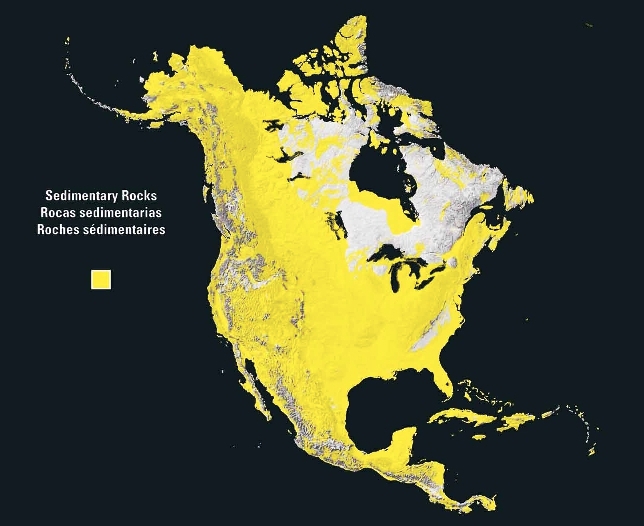
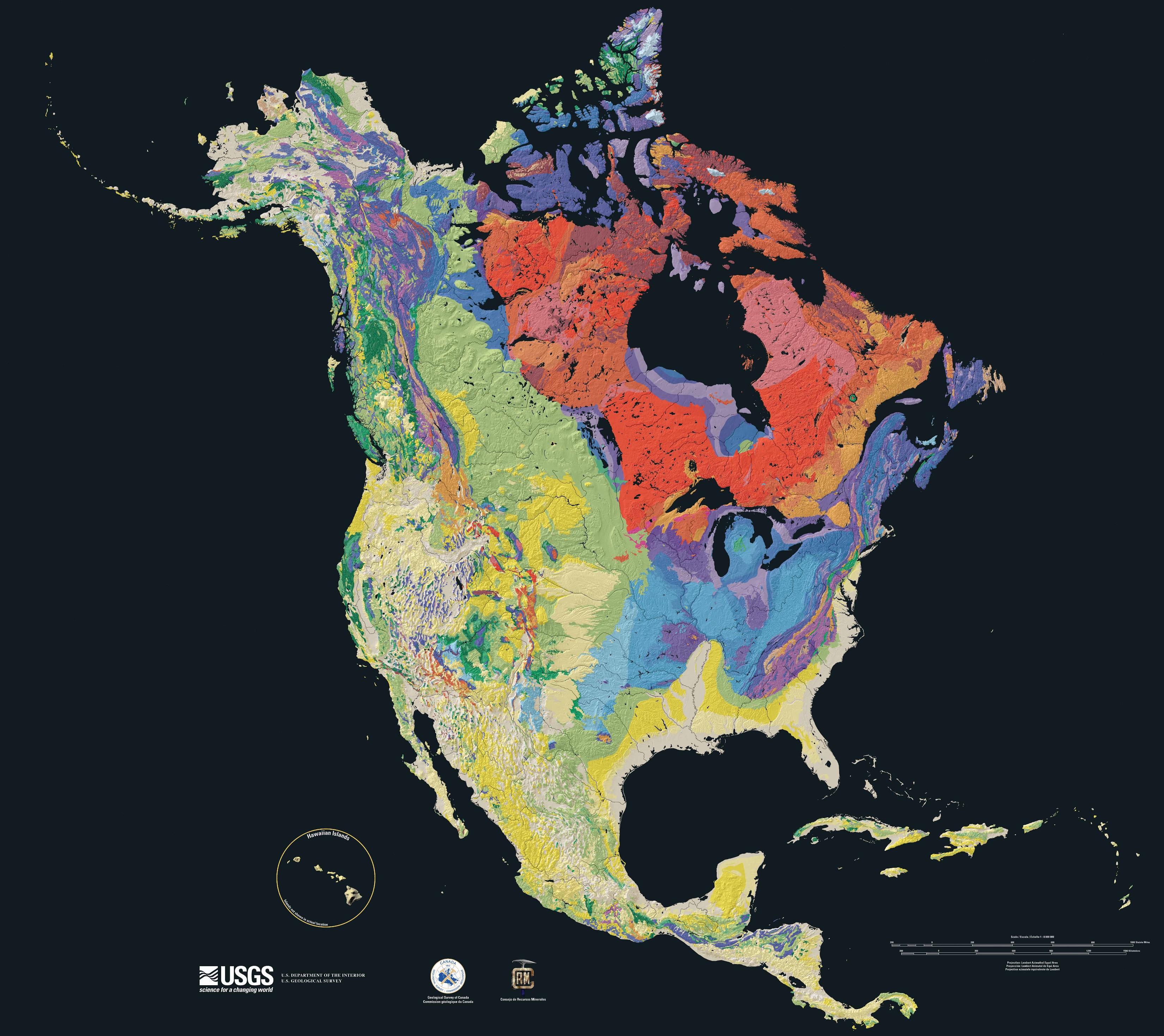
 Cratons, or continental platforms are the ancient, stable geological provinces at the core of continents (orange in image at left). Cratons have peristed for more than 500 million years (some over 2 billion years).
A shield is defined as a craton in which basement rocks have been exposed by erosion at the surface; and such shields typically comprise Precambrian basement rocks.
Cratons characteristically consist of ancient felsic igneous rocks in the crystalline basement at the center of continents, as distinguished from the linear belts of geosynclinal troughs at the margins of continents. Although the oldest rocks and proto-continents date from the Hadean, the earliest large cratonic landmasses formed during the Archean eon when radioactive decay maintained heat flow at three times current levels.
Cratons have a thick continental crust and deep roots that extend into the mantle beneath to depths of 200 km. Cratons sit on anomalously cold mantle that is more than twice the approximately 100 km thickness of mature oceanic or noncratonic continental lithosphere.
Slave Craton
Labels: Archean, Baltic Shield, crystalline basement, felsic, Hadean, Interior platform, North American craton, proto-continents